Roof Repair Illinois

(815) 396-8871 Tap to call from a phone

Statewide leak, storm, replacement, and metal roofing guidance routed to licensed Illinois contractors. Start with the water path, roof material, and property region.

A four-hundred-mile roof market

Illinois Roof Repair Starts With Region And Failure Point

If water is coming in now, call (815) 396-8871 and stay off the roof.

A Rockford ceiling stain after a thaw, a Peoria valley leak during wind-driven rain, a Springfield roof marked by hail, and a loose metal-panel seam near Carbondale all need roofing help, but they do not begin with the same diagnosis. Illinois spans a major north-to-south weather range. Normal annual snowfall exceeds 38 inches around Chicago and falls below 14 inches at the southern end, while precipitation rises from about 35 inches in northern Illinois to roughly 48 inches near the southern tip. Roof edges, flashing, shingle fields, drainage, panel fasteners, and trim therefore face different seasonal pressures across the state. Illinois Roof Pros connects property owners with a licensed, insured independent Illinois roofing contractor serving the caller's area. Calls cover leak tracing, storm inspection, emergency stabilization, asphalt replacement, metal roofing, gutters, and siding. The first conversation should name the property region, building type, roof material if known, where the symptom appears, and whether water is active. Those facts help route a northern ice problem, central Illinois hail concern, college-town rental report, Metro East wind opening, or rural metal repair to a contractor prepared for the material and urgency.

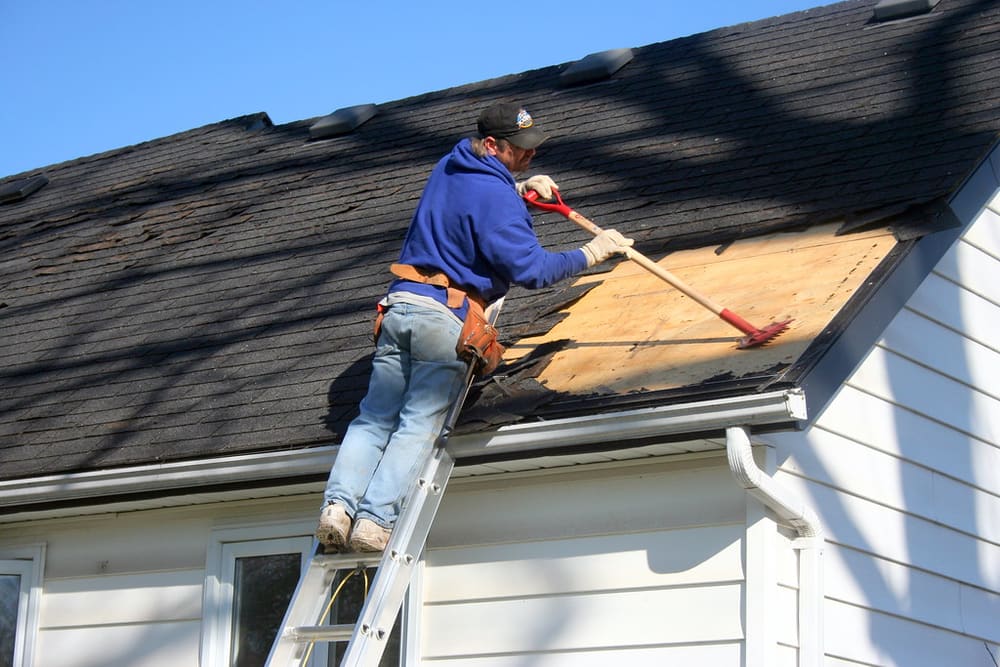
The inspection should turn the symptom into a physical explanation. Water can cross the roof at a pipe boot, valley, chimney joint, sidewall, lifted shingle, low-slope seam, or winter eave, then travel along sheathing and framing before it appears indoors. A localized failure can support a targeted repair when surrounding materials remain workable. Repeated leaks, brittle slopes, widespread granule loss, failing fasteners, or soft decking may justify comparing repair with replacement. Rural properties and shops also deserve a metal-specific inspection of screws, washers, laps, closures, seams, and trim. Review all statewide service regions, then use the detailed pages for Rockford and northern Illinois, the Peoria river corridor, Springfield and central Illinois, or Southern Illinois. Before hiring, request the serving contractor's 104.xxxxxx roofing license number and verify the licensee in the IDFPR lookup. The contractor confirms the on-site findings, municipal permit needs, written price, contract terms, and warranty details.

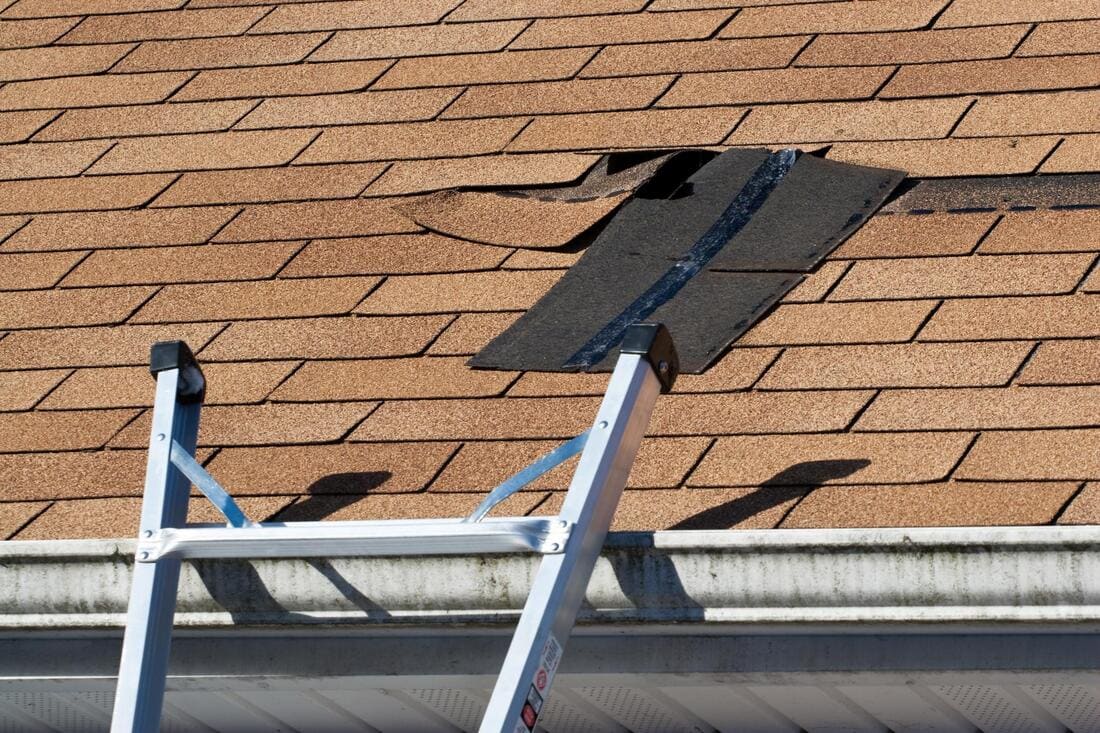
Illustration: roofing tools arranged on asphalt shingles

Water Path | Material Condition | Regional Weather | Written Scope

Four Decisions That Keep The Roof Conversation Useful

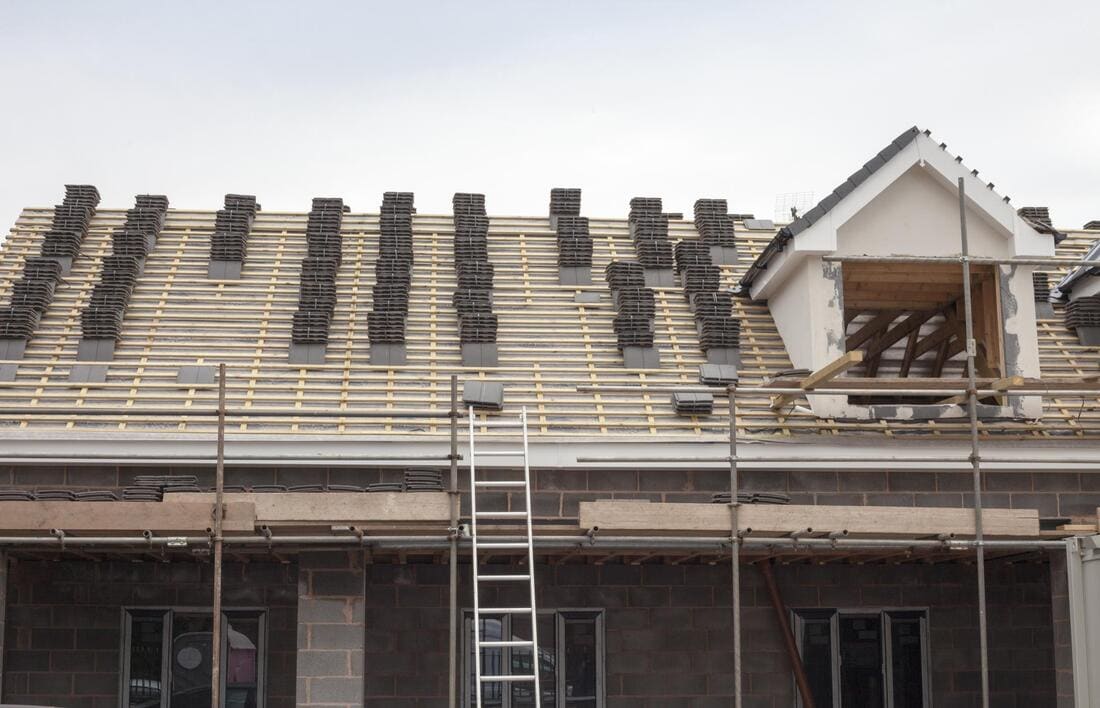
Illustration: roof battens prepared for new material

Trace The Failure Before Pricing The Fix

A ceiling stain is the end of a water path. Rain may have entered at a vent collar, chimney corner, sidewall, valley, exposed fastener, open lap, or shingle several feet away. The timing helps narrow the source: wind-driven rain, prolonged saturation, and snowmelt produce different clues. A contractor should compare indoor evidence with the roof plane, attic when accessible, flashing transitions, drainage, and surrounding material. Photos need enough context to show how the proposed repair reconnects with sound roofing. Spreading sealant over several suspects without establishing the path can divert water while damaged decking continues to get wet. A written quote should identify the opening, expected removal area, material match, sheathing assumptions, cleanup, and the conditions that could change the number after tear-back. Repair remains the useful choice when nearby shingles or panels can be handled cleanly, the deck holds fasteners, and the defect has a defined boundary. Replacement deserves comparison when leaks appear on unrelated planes, surface material breaks during handling, sheathing is soft across several areas, or broad storm effects leave too many separate tie-ins. When both paths are technically reasonable, ask for both in writing. The repair scope should state its limits and the replacement scope should explain which system-wide conditions it corrects. Roof age alone cannot supply that answer. The decision comes from present material condition, water control, and whether the new work can connect reliably to what remains.

Storm Evidence And Insurance Decisions Stay Separate

Hail can bruise asphalt and mark soft metals. Wind can crease tabs, displace ridge pieces, open a panel edge, or drive rain into a wall transition. Tree impact can damage roofing, gutters, and siding along one path. The contractor can photograph those conditions by slope or elevation, prepare an itemized construction scope, and meet an adjuster when an on-site explanation helps. The insurance carrier controls coverage and payment decisions. Illinois Public Act 96-1113 bars a roofing contractor from paying, waiving, rebating, crediting, or absorbing a homeowner's insurance deductible when insurance proceeds fund the work. Decline deductible side deals. Coverage decisions remain with the insurer. The statutory protection applies across Illinois and the prohibition belongs in the roofing contract. Keep a visible deductible in the claim paperwork, reject rebates or advertising credits that make it disappear, and judge the roof proposal by its physical scope. A storm visit should also label ordinary age, old repairs, and maintenance separately from sudden damage.

Downstate Housing And Metal Roofs Shape The Statewide Plan

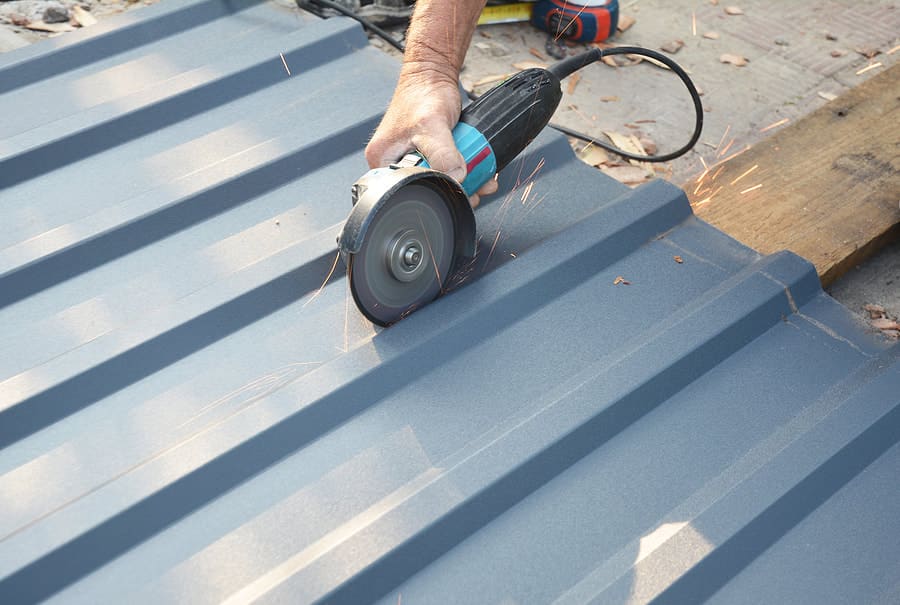
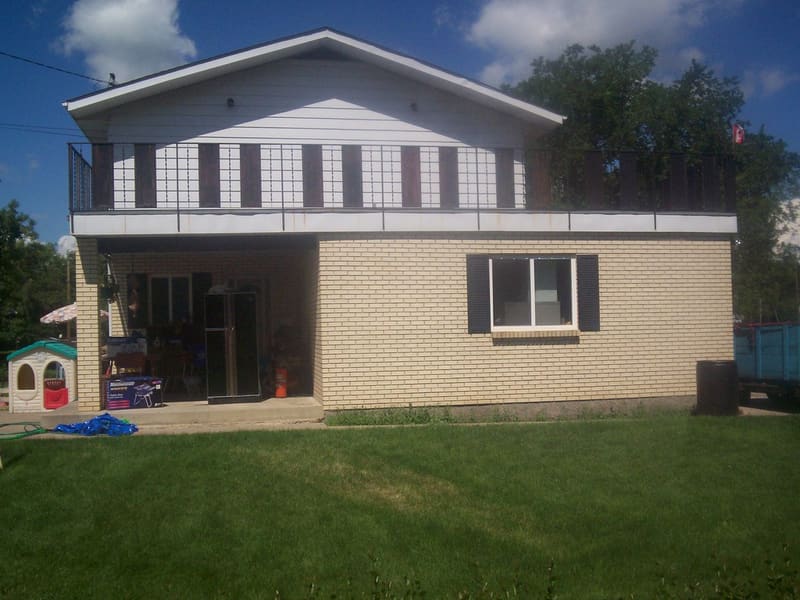
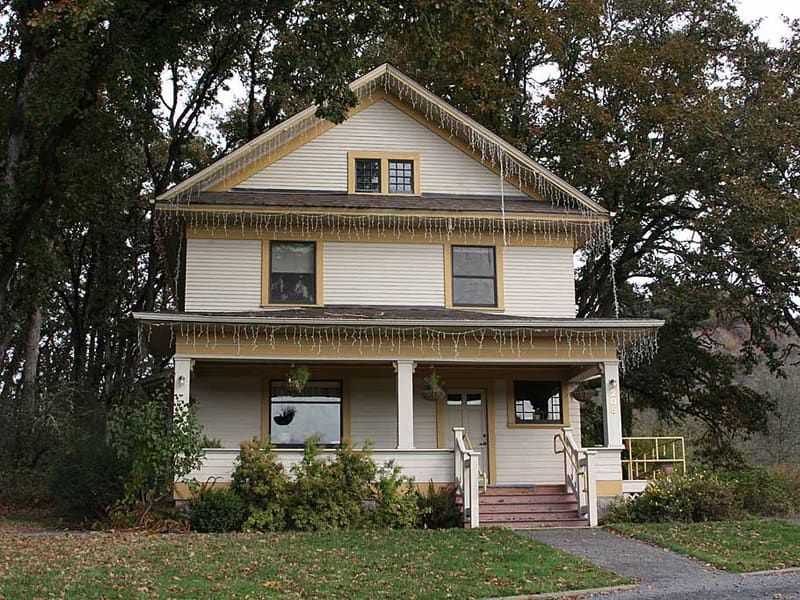
Illinois roofing is broader than suburban asphalt. Rockford has older industrial neighborhoods, ranch homes, and heavier winter wear. Peoria combines mature housing, farm-adjacent properties, older decking, and river-valley wind. Springfield adds central Illinois hail and freeze-thaw. Champaign-Urbana and Bloomington-Normal bring rental documentation, flat additions, subdivisions, and open-country exposure. Metro East mixes ranches with small commercial surfaces. Southern Illinois adds farmhouses, wooded sites, shops, outbuildings, and rural metal panels. Standing seam conceals primary fasteners and manages movement through clips and seams. Exposed-fastener roofs place screws, washers, laps, closures, and trim on the maintenance list. The building use and roof geometry should decide the system and repair method.

Licensing, Permits, And Written Terms Close The Loop

Illinois roofing contractors must be licensed under 225 ILCS 335, administered by IDFPR. Ask the serving contractor for the roofing license number in the 104.xxxxxx format and verify both the number and licensee name in the state lookup. The same information should appear on bids and contracts. Permit requirements vary by municipality, so the contractor checks the property rule and assigns permit handling in the proposal. Product and workmanship warranty terms should be stated separately. For recorded calls, Illinois is treated as an all-party-consent state under 720 ILCS 5/14; the voicemail notice is given before the beep. These steps do not diagnose the roof, but they make responsibility clear once the inspection has established what failed. If water is active before the visit, move belongings, use stable containers under ordinary drips, and keep clear of bulging ceiling material or wet electrical fixtures. Photographs from the room or ground are helpful. Walking a wet, icy, hail-marked, or dark roof is unsafe and can disturb the very evidence the contractor needs to inspect. Give the call responder the building height, affected room, current weather, visible opening, and whether a tarp is already present. Temporary protection may have to wait for a safe weather window, and it should appear in the scope separately from permanent repair.

2026 Illinois planning ranges

Use Price Tiers To Ask Better Scope Questions

Minor shingle, pipe-boot, or flashing work typically ranges from $250 to $650. Moderate leak tracing, valley repair, chimney flashing, or a small decking patch commonly falls between $550 and $1,400. A major section repair or storm-damaged tie-in often runs $1,400 to $4,200, while temporary tarp or dry-in work usually lands between $300 and $850. Many Illinois architectural asphalt replacements fall between $9,000 and $24,000, roughly $375 to $725 per square installed. Metal roofs commonly range from $16,000 to $45,000 or more. These are planning figures, not a bid. Pitch, height, layers, access, material condition, flashing complexity, sheathing, ventilation, disposal, trim, penetrations, and weather urgency decide the offered price. Chicagoland often prices higher than downstate markets, while rural properties may add travel, outbuildings, long panels, or older mixed decking. The free inspection should connect every major cost variable with a line in the written scope.

Work type Typical range What is usually involved
Minor shingle, pipe boot, or flashing repair $250-$650 Localized labor, matching materials where available, and a short photo summary.
Moderate leak trace or valley repair $550-$1,400 More investigation time, flashing rebuilds, small decking patches, or chimney details.
Major section repair or storm-damaged tie-in $1,400-$4,200 Larger tear-back work, sheathing replacement, structural tie-ins, and weather exposure.
Emergency tarp or dry-in $300-$850 Temporary water control after active leaks, wind openings, or tree impact.
Architectural asphalt roof replacement $9,000-$24,000 Many Illinois homes; roughly $375-$725 per square installed before site-specific variables.
Metal roofing $16,000-$45,000+ Standing seam or exposed-fastener systems, quoted by roof size, trim, tear-off, and details.

Compare bids on the same assumptions. Check how each one treats tear-back limits, deck replacement, material matching, flashing, ventilation, temporary protection, cleanup, permits, and warranties. A lower total can omit work that appears in another scope. A higher total should explain the added condition rather than rely on urgency or regional labeling. See the full Illinois roof repair cost guide for the gutter and inspection ranges as well as repair and replacement planning details. Before approving work, verify the serving contractor through the IDFPR license lookup and keep the final material, price, permit responsibility, cleanup, and warranty language together in one written scope.

Major Illinois cities and service regions

Start Downstate And Work Outward By Roof Type

Northern Illinois calls often emphasize winter wear, while the Illinois River corridor can combine wind, trees, and older decking. Central Illinois and the college-town corridor add hail exposure, freeze-thaw, rental reporting, flat additions, and open-country wind. Metro East brings ranch and small-commercial storm work. Southern Illinois carries greater hail exposure, heavier annual precipitation, farmhouse lines, wooded properties, and rural metal demand. The Chicago suburban region is handled broadly through its housing stock and roof geometry. Select a region for its local inspection angle, or use the statewide area guide to understand contractor routing and license verification.

Roof Repair Illinois FAQs

How much does roof repair cost in Illinois?

Minor shingle, pipe-boot, or flashing work typically falls between $250 and $650. Moderate leak tracing, valley work, chimney flashing, or a small decking patch commonly runs $550 to $1,400. Major section repairs and storm-damaged tie-ins typically range from $1,400 to $4,200, while an emergency tarp or dry-in is usually $300 to $850. These are 2026 Illinois planning ranges. A free inspection establishes the failure point, roof access, material condition, and written price for the property.

Should I repair or replace my Illinois roof?

Repair is usually credible when the opening has clear limits, nearby roofing remains workable, and sound material can accept the tie-in. Replacement deserves comparison when leaks occur on unrelated planes, shingles break during handling, granules are depleted across wide areas, sheathing will not hold fasteners, or storm effects extend through several slopes. Ask the contractor to show the condition in photos and price both paths when both can serve the property. The recommendation should explain the expected limitations of another repair.

Can an Illinois roofer help with storm documentation?

A roofing contractor can label damage by roof plane or exterior elevation, photograph hail marks, lifted or missing material, soft metals, gutters, siding, and interior water signs, then prepare an itemized construction scope. The contractor can also meet an adjuster when an on-site discussion helps explain the physical work. The insurance carrier alone decides coverage. Illinois Public Act 96-1113 prohibits a roofer from paying, waiving, rebating, crediting, or absorbing the homeowner deductible on insurance-funded roofing work.

How do I verify the Illinois roofer who answers my request?

Ask the serving contractor for the Illinois roofing license number in the 104.xxxxxx format. Roofing contractors must be licensed under the Illinois Roofing Industry Licensing Act, 225 ILCS 335, administered by IDFPR. Verify the number and licensee name through the IDFPR license lookup, then confirm that the same information appears on the bid and roofing contract. Illinois Roof Pros is a marketing and routing platform; the licensed independent contractor supplies the inspection, scope, contract, and field work.

Call Us Today

Illinois Roof Pros

(815) 396-8871

Describe the roof before choosing the work

Call with the Illinois property region, building type, roof material, water path, storm evidence, and current urgency so the serving contractor can plan the right inspection.

Request service

Name, phone, and service are required.

For anything urgent, call (815) 396-8871.

What Our Customers Say

“Ceiling stain that had been back twice. They traced it to a flashing seam, not the shingles, and only charged for the seam. The leak has stayed gone.”
Priya K. Rockford · Leak repair
“Found the exact boot that was letting water in and replaced it in one visit. Took a little longer than the estimate, but the quote did not move a dollar.”
David O. Peoria · Roof repair
“Walked the whole roof, showed me photos, and told me I had a few years left instead of pushing a replacement. That is how you earn the next job.”
Amara N. Springfield · Roof replacement
No-cost inspection (815) 396-8871