Control active water first
An Illinois roofing emergency begins when an opening or active water threatens the building faster than a normal appointment can address it. Safe triage protects people and interiors first, stabilizes the roof when conditions allow, and leaves the permanent repair for a documented scope.
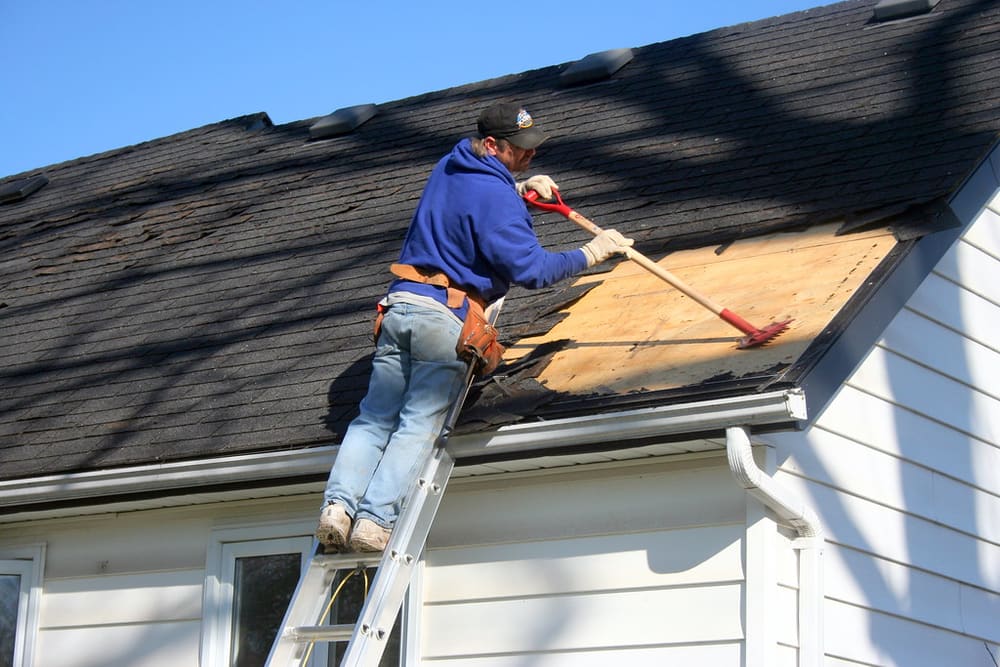
Recognize Conditions That Need Immediate Triage
Active dripping into living space, saturated insulation, bulging ceiling material, open sheathing, a branch puncture, and missing shingle or metal sections deserve a prompt call. Water near a light, outlet, appliance, or service equipment creates an additional hazard. Keep people and pets away from the wet electrical area and describe it clearly to the responder. The objective of the first conversation is to identify life-safety concerns, limit spreading water, and determine whether exterior stabilization can be attempted safely.
Urgent does not mean a crew can work through lightning, dangerous wind, heavy ice, darkness, or unstable debris. Conditions control access. A contractor may be able to place a tarp between storm bands, close a small opening, or board over impact damage. At other times, the safest response is indoor containment followed by the earliest workable weather window. Honest triage sets that boundary before anyone promises an arrival or climbs a roof that cannot support safe work. If a tree is involved, describe whether it still rests on the building and avoid moving branches that may shift the load. If the opening is visible from the ground, note its approximate location without standing below loose material. These observations help the contractor coordinate the roof response while keeping the first priority on safe access.
Reduce Interior Damage Without Climbing
Move belongings away from the water path and use stable containers under ordinary drips. Avoid standing beneath swollen drywall because trapped water can release suddenly. From a safe position, take photos of the ceiling, attic area, fallen material, or visible exterior opening. Do not cut into a ceiling, disturb a tree resting on the structure, or step onto the roof. Wet surfaces, concealed damage, and loose roofing can turn a property-protection attempt into an injury.
Provide the city or region, building type, number of stories, roof material if known, affected room, and current weather. Explain whether the symptom followed hail, straight-line wind, tornado-season conditions, snowmelt, or a falling limb. Say if a tarp is already present and whether water is getting worse. This information helps the contractor decide what equipment and materials may be useful, which requests have active exposure, and which can move into a standard leak-inspection schedule.
Turn Temporary Protection Into A Permanent Scope
A tarp, temporary membrane, board-up, or short flashing patch buys a dry interval. It is not the final roof assembly. After conditions improve, the contractor should remove or work around temporary material, trace the full opening, assess sheathing and framing that can be seen, and photograph the repair area. The quote should distinguish stabilization charges from permanent work and describe how the new material ties into the existing roof. Emergency tarp or dry-in work typically falls between $300 and $850, with the actual price confirmed on site.
When impact exposed a healthy localized area, the permanent work may remain small. When the opening sits among brittle shingles, widespread fastener failure, rotted decking, or repeated old patches, replacement or a larger section repair may be the sounder plan. The contractor verifies municipal permit requirements for the final scope. If insurance is involved, photographs can document the physical condition, but coverage belongs to the carrier and Illinois Public Act 96-1113 still prohibits deductible-waiver arrangements.