Condition evidence before a quote
A useful Illinois roof inspection answers the question that brought you there. It can trace an active stain, document a storm concern, assess worn materials, review a metal-panel problem, or compare focused repair with replacement using photos and a written explanation. Access limits and unobserved areas should also appear in the condition record.
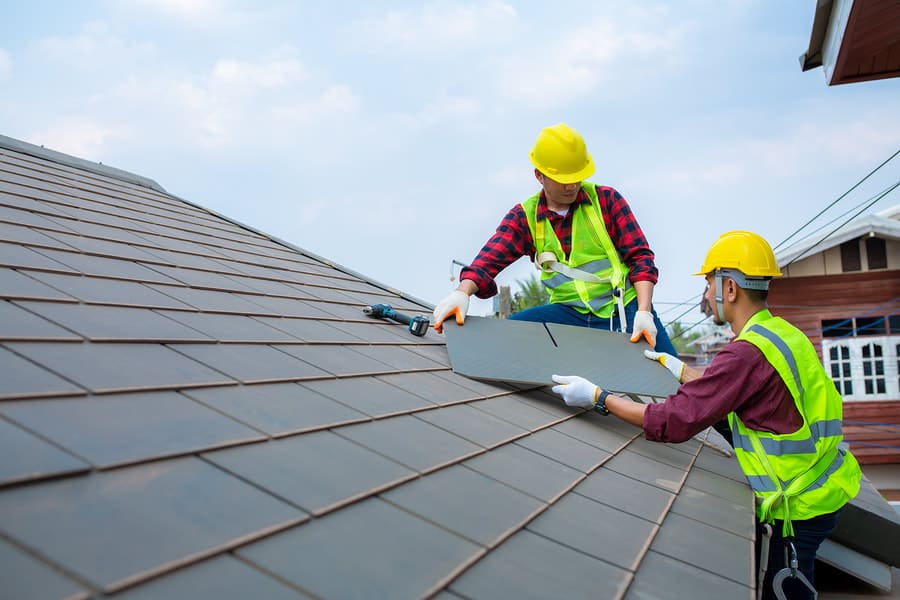
Match The Inspection To The Reported Symptom
A leak call begins with the affected room, weather timing, and roof plane above it. A storm call needs slope-by-slope photographs and exterior elevations. An aging-roof review should sample the broader field, transitions, and ventilation. An existing metal roof brings screws, seams, laps, closures, and trim into focus. In each case, the contractor should examine the material, ridge, valleys, pipe flashings, sidewalls, chimneys, roof edges, drainage, visible decking concerns, and attic clues when access is safe.
The inspection should distinguish current failures, maintenance needs, and conditions worth monitoring. A cracked boot is different from a brittle shingle field. A few loose panel screws differ from fastener fatigue across long runs. A hail mark on soft metal is supporting evidence rather than automatic proof that every roof plane has failed. Photos with short labels help the owner understand those differences and give a future contractor or property manager a baseline if no immediate work is required.
Use Illinois Seasons As Diagnostic Clues
Illinois spans a large north-to-south climate range. Northern roofs carry more snow and ice-dam exposure, while precipitation increases toward the southern tip. Spring hail, straight-line wind, tornado-season weather, hard rain, falling branches, and freeze-thaw movement reveal different weak points. Note whether the symptom began during wind from one direction, at the start of rain, after hours of saturation, or during melting snow. Timing can make a vague stain much easier to trace.
Building type also shapes the review. Older Rockford neighborhoods may combine winter wear with past repairs. Peoria and the river corridor can bring mature trees, wind, and older decking into the same scope. College-town rentals around Champaign-Urbana and Bloomington-Normal benefit from clear owner documentation. Metro East and Southern Illinois inspections may include ranch roofs, small commercial surfaces, farmhouses, and exposed-fastener metal. The statewide method stays consistent while the details follow the property.
Leave With An Actionable Condition Record
A basic inspection with a photo report is offered free for repair planning. Detailed written reports for transactions or disputes often run from $200 to $450. Before scheduling, explain the purpose so the contractor can confirm which deliverable applies. Any useful report should locate the observed condition, show relevant photos, state urgency, outline a repair or replacement path, and identify hidden conditions that could change the price after material is opened.
When no work is needed, the record can say which areas should be monitored and what symptom would justify another visit. When repair is suitable, it should describe the tie-in and nearby material. When replacement is recommended, it should show the system-wide evidence. Ask for the contractor IDFPR number in the 104.xxxxxx format and verify it through the state lookup before hiring. Permit requirements depend on the eventual work scope and municipality, so the serving contractor confirms them with the quote. For an occupied home or rental, the report can note access limits, the room beneath the concern, and interior protection needed during work. For multiple structures, each image should identify the building. These simple labels prevent a shop-roof defect, house leak, and porch transition from being mixed into one unclear recommendation.