Match the panel system to the building
Metal roofs across rural and downstate Illinois appear on farmhouses, homes, workshops, porch additions, outbuildings, and small commercial properties. The first decision is the system itself: concealed-clip standing seam and exposed-fastener panels manage movement, penetrations, maintenance, and cost in different ways. Panel profile and trim geometry should be identified before repair materials are ordered.
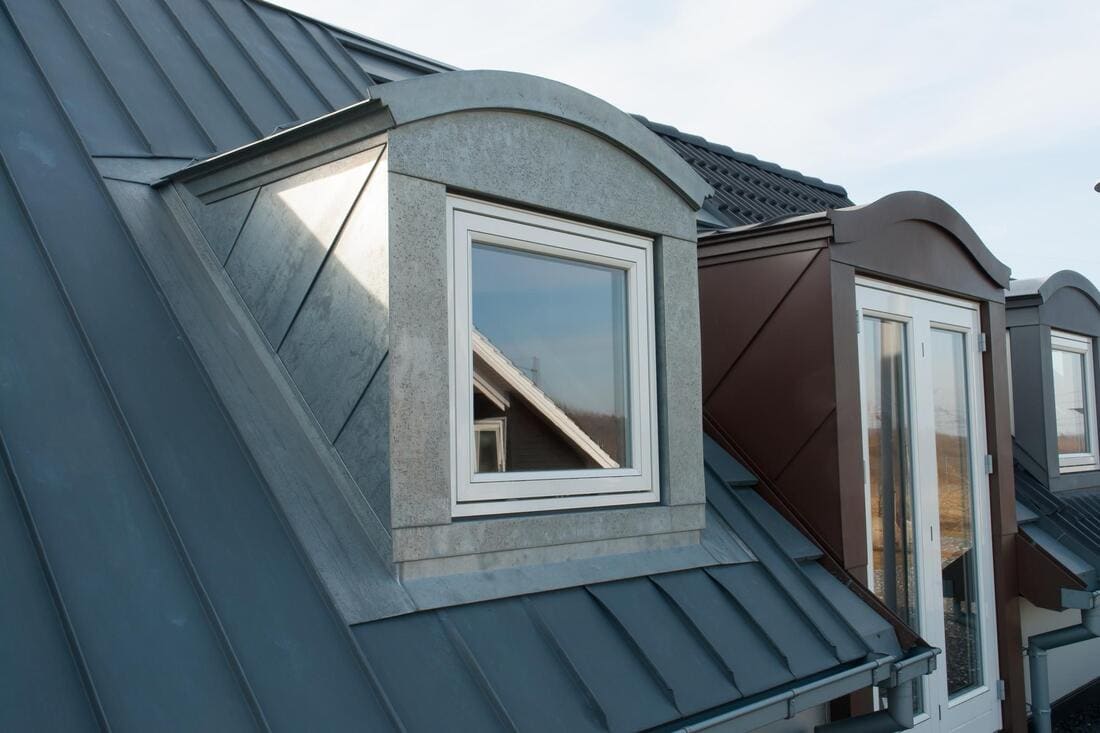
Start With Building Use And Roof Geometry
A simple workshop with long open slopes places different demands on metal than a farmhouse with dormers, valleys, chimneys, and conditioned attic space. Roof pitch, deck type, existing layers, ventilation, eave and rake details, penetrations, trim complexity, and snow movement all belong in the estimate. A panel choice made only from color or price can leave difficult transitions unresolved. The contractor should sketch or photograph those details and identify which trim pieces close each water path.
Standing seam often suits living space and visible roof planes because clips and seams conceal the primary fasteners. Exposed-fastener metal is common on barns, shops, sheds, porches, additions, and cost-sensitive rural work. Either can perform when the design fits the building and installation controls water. The quote should name the panel profile, fastening approach, substrate preparation, underlayment, ventilation plan, edge trim, ridge closure, penetrations, and any snow-control details rather than grouping all metal into one line item.
Understand Movement And Maintenance Points
Metal expands and contracts as temperature changes. Concealed clips allow standing-seam panels to move while locked vertical seams remain above the main drainage surface. Installation tolerances at clips, eaves, ridges, valleys, and end conditions matter because restricting movement can strain seams or trim. This system usually costs more than exposed-fastener panels due to its components and detailing. Those added costs should be visible in the written scope, particularly around complex roof geometry.
Exposed-fastener panels attach through the face of the metal. Screws, sealing washers, panel laps, closures, and penetrations therefore remain routine inspection points. Fasteners can back out, washers can age, and long runs can work against overdriven or poorly placed screws. That does not make every exposed-fastener roof a replacement candidate. A contractor should first determine whether the issue is isolated, whether the panel holes remain usable, and whether a systematic fastener service or trim repair can restore water control.
Price Repair And Replacement From The Details
Leak tracing on an existing metal roof should examine backed-out screws, compressed or split washers, open laps, failed sealant or butyl tape, loose ridge and rake trim, closures, wall transitions, and penetrations that moved with the panels. Rust location and interior staining help show whether moisture begins at a fastener, seam, condensation point, or flashing edge. Coating has a place in some scopes, but spreading it over moving joints without correcting the failure can make later diagnosis harder. Condensation also deserves attention when moisture appears below metal without a clear rain path. Ventilation, warm interior air, underlayment, and the assembly below the panel can affect where moisture collects. A surface patch will not correct water forming within the roof build-up. The scope should distinguish exterior entry from interior condensation before recommending fastener service, flashing work, or a larger assembly change.
Illinois metal roofing commonly falls between $16,000 and $45,000 or more. Roof size, panel type, tear-off, deck work, trim, penetrations, snow guards, access, and building use control the actual quote. A free inspection should separate a repairable detail from widespread panel or fastener fatigue. Municipal requirements vary, so the contractor verifies local permits. Before signing, request the IDFPR roofing license number, verify it in the state lookup, and make sure the contract identifies the precise metal system being installed.